Jason Miller
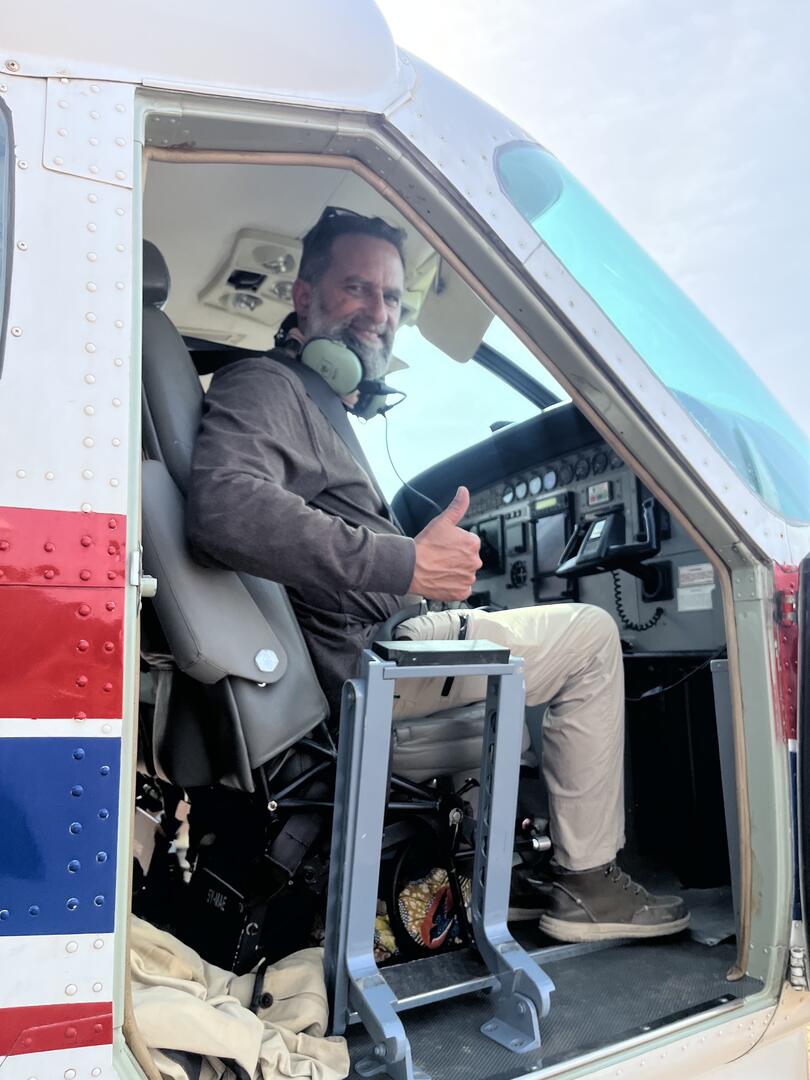
Some people catch the aviation bug at an airshow. Mine arrived when I was fifteen years old in the front seat with my Uncle Robert in a little Cessna 172.
Uncle Robert had spent years flying for the military, so to him, handing the controls to an overexcited teenager probably seemed perfectly reasonable.
He didn’t just take my cousin and me sightseeing. He let us fly. Under his watchful eye, we each took the yoke while he explained the basics of lift, turns, and keeping the shiny side up. Looking back, those few minutes changed everything. My mind immediately skipped past the local airport and wandered to distant places—landing on forgotten bush strips, skimming across Alaskan lakes in a floatplane, and discovering corners of the world that only pilots ever get to see.
That little flight planted a seed that never stopped growing.
Aviation already ran deep in our family. Uncle Robert’s stories of reconnaissance flights, strange countries, unpredictable outcomes, and remote airfields fascinated me as a kid. At family gatherings, airplanes seemed to dominate every conversation. My uncles and cousins flew model airplanes around my grandparents’ farm in Corcoran, California, where tiny engines buzzed overhead almost as often as the mosquitoes. If it had wings, someone in the family probably wanted to fly it.
By my early twenties, I finally scraped together enough money to begin flying lessons. Unfortunately, I could only afford one lesson every now and then. Flying, it turns out, is a terrible hobby if your wallet and your ambitions aren’t on speaking terms. After a while I admitted defeat and put training on hold.
A few years later, after returning from a short adventure living in Africa, I decided I’d procrastinated long enough.
This time I enrolled at Air First flight School at Meacham Airfield in Fort Worth. I deliberately chose a controlled airport because I figured if I learned radio work in the deep end, quieter airports would seem easy later.
My instructor was French.
Now, before anyone sends angry letters from Paris, he was an outstanding instructor—thorough, safety-minded, and absolutely committed to making me earn every lesson. He also had a wonderfully thick French accent that became even thicker once filtered through a bargain-bin aviation headset and mixed with the steady drone of a Cessna engine. More than once I staggered out of the airplane with a pounding migraine, wondering whether he’d instructed me to climb, descend, or perhaps order lunch. Somehow, despite my confusion, he turned me into a safe pilot.
Years later I realized those difficult lessons forced me to become a much better listener on the radio.
Eventually I earned my Private Pilot certificate for single-engine land airplanes, followed later by a seaplane rating in a beautiful Cessna 180 on floats.
If you’ve never flown a floatplane off a perfectly calm lake at sunrise, put it on your bucket list. There is something almost magical about watching the shoreline slip away as the floats stop hissing across the water and suddenly you’re airborne. Every takeoff feels like cheating gravity just a little.
Although I once imagined aviation becoming a career, life had other ideas. Looking back, I’m perfectly happy it worked out that way. When your passion becomes your paycheck, sometimes the magic fades. Flying has always remained something I want to do rather than something I have to do.
Somewhere along the way I bought a Piper Colt…in boxes.
Restoring an airplane one piece at a time is equal parts craftsmanship, detective work, and wondering where on earth that last bolt disappeared to. Eventually it flew, but when our first son arrived I sold it to make life easier for my wife and growing family. It wasn’t an easy decision, but sometimes the greatest acts of love involve letting go of something you enjoy.
Years later another plane appeared—a Kitfox II, a delightful little bush airplane that eventually found itself wearing floats. That airplane is still with me today.
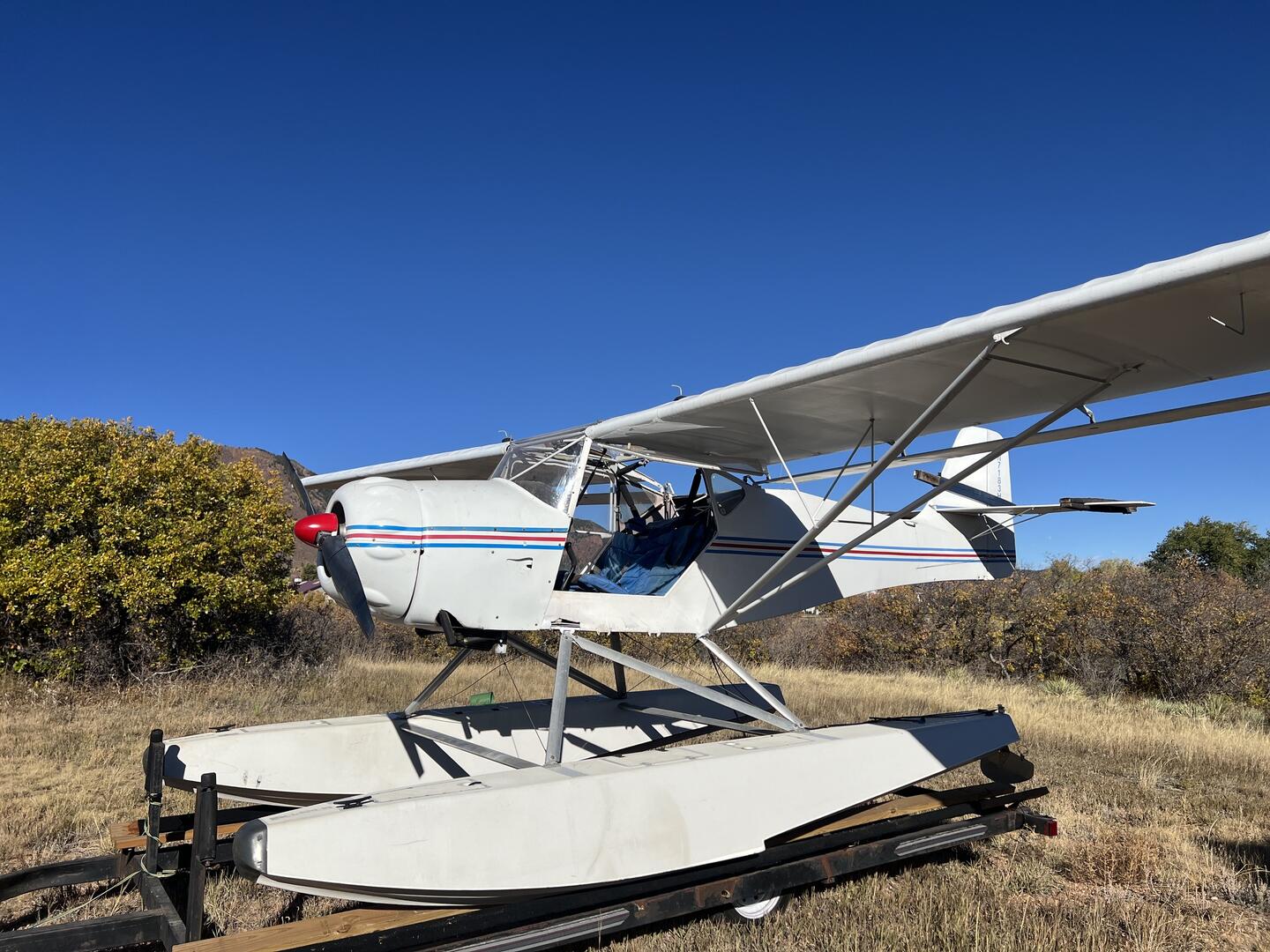
One of the unexpected blessings of loving airplanes is that they tend to introduce you to remarkable people. Thanks to good friends and fortunate connections, I’ve logged hours in aircraft scattered across Africa and South America, where flying is often less about convenience and more about necessity.
In southern Kenya I’ve spent days building bush runways that started as little more than open stretches of savannah. We’d walk the entire strip, kicking over termite mounds, filling warthog holes, trimming brush, and marking thresholds with whitewashed rocks and whatever old tires happened to be lying around.
It’s amazing how professional an airstrip can look once you’ve painted a few rocks.
Standing there afterward, watching the first airplane touch down on a runway that had barely existed a few days earlier, brought a quiet satisfaction that’s difficult to describe. Those little strips connect isolated communities where roads disappear long before airplanes do.
Not every flight has been smooth.
One afternoon we were departing a remote Kenyan airstrip in a Cessna Caravan when—just before takeoff speed—a tire exploded with a bang loud enough to get everyone’s attention. The pilot rejected the takeoff, and we rolled to a dusty stop surrounded by complete silence.
The nearest maintenance shop was somewhere over the horizon…far over the horizon.
So we did what bush pilots have always done. We found the shade of a lonely acacia tree, drank the last of the cold water, swapped stories, and waited while a replacement tire was flown in from Nairobi. Hours later we installed the new tire, completed the inspections, and climbed back into the African sky as though blowing tires in the middle of nowhere was just another Tuesday.
Bush flying teaches patience. It also teaches you that carrying extra water is rarely a bad idea.
One adventure that still makes me smile began before sunrise on the Zambian side of Victoria Falls. Instead of climbing into a conventional airplane, I found myself strapping into what was essentially a powered lawn chair with wings—an ultralight.
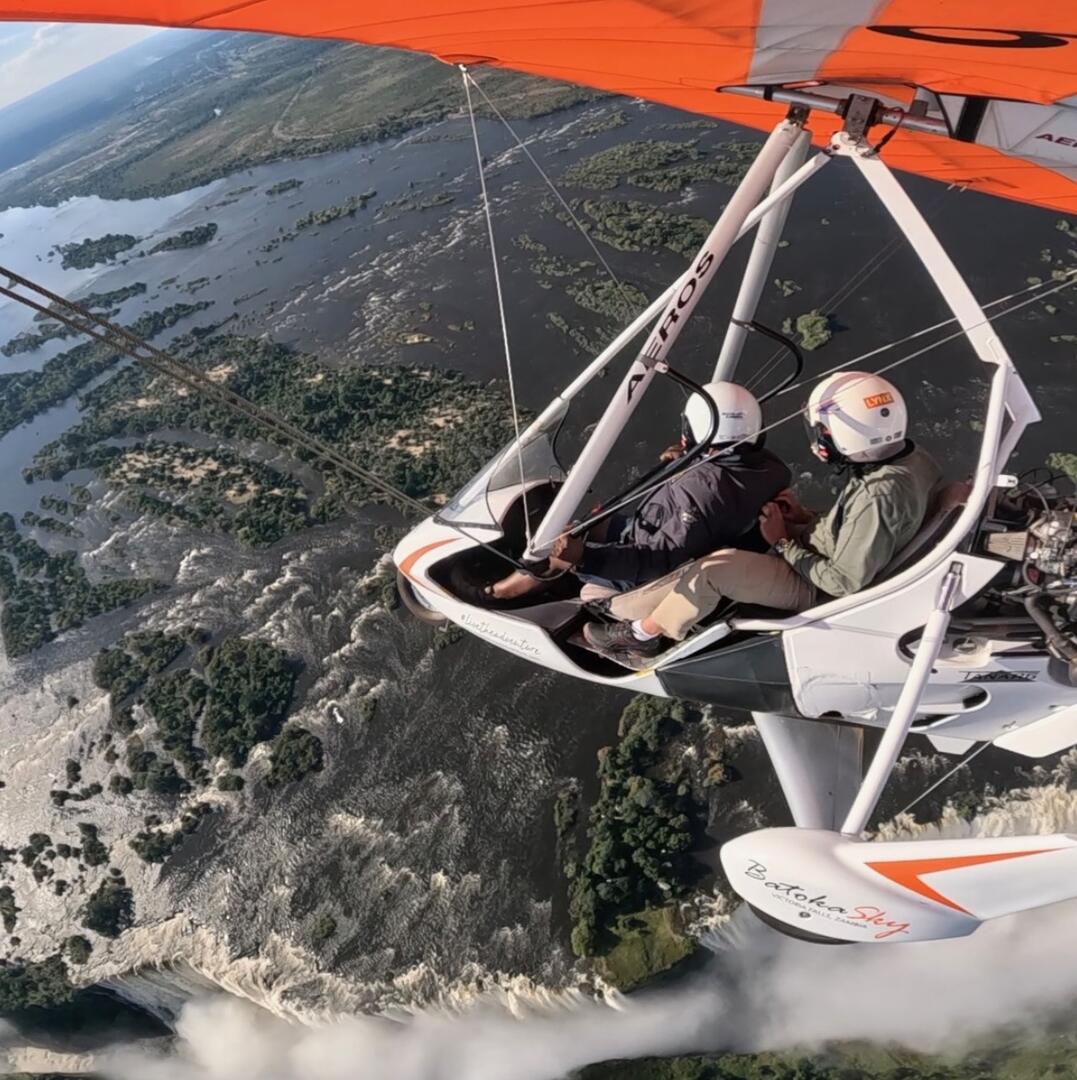
The preflight briefing was reassuring right up until the point where I realized there wasn’t much between me and the African sky besides a seatbelt and a healthy amount of optimism.
As the little engine buzzed to life, we bounced down the grass strip and lifted effortlessly into the cool morning air. Within minutes the Zambezi River stretched out beneath us, winding lazily through the bush before suddenly disappearing into one of the most spectacular waterfalls on Earth.
Nothing prepares you for seeing Victoria Falls from above.
From the ground you hear the roar long before you see the water. From the air, the river appears almost peaceful until it reaches the edge of a crack in the earth and simply vanishes. Millions of gallons of water plunge into the narrow gorge, sending towering columns of spray hundreds of feet into the sky. The locals call it Mosi-oa-Tunya—”The Smoke That Thunders”—and from above the name makes perfect sense. The mist rose so high we were flying through it, tiny rainbows appearing and disappearing in the sunlight while droplets collected on my sunglasses.
The pilot circled gently along the gorge, giving us breathtaking views of the twisting canyons carved by the Zambezi over countless centuries. From up there, I could spot tiny rafts navigating the rapids far below, looking more like colorful dots than boats. I remember thinking those people probably believed they were having the adventure of a lifetime. Little did they know I was sitting above them in an aircraft that looked as though it had been assembled from aluminum tubing and wishful thinking.
We circled back around the mighty Zambezi flying over herds of elephants and crocodiles resting on the sand bars below.
Landing back on the grass strip, I climbed out wearing the same ridiculous grin that seems to accompany all my favorite flights. It was impossible not to wonder how many people ever get to experience one of the world’s great natural wonders with nothing between themselves and the view except a pair of wings and the wind.
Some of my favorite memories have come from flying floatplanes deep into the Amazon Basin. From above, the rainforest stretches endlessly toward every horizon, broken only by winding rivers that sparkle like silver ribbons in the morning sun. Macaws explode from the treetops as you descend, and the only sound after landing is the gentle drip of water from the floats, mixed with insects and birds reminding you that you’re only a temporary visitor.
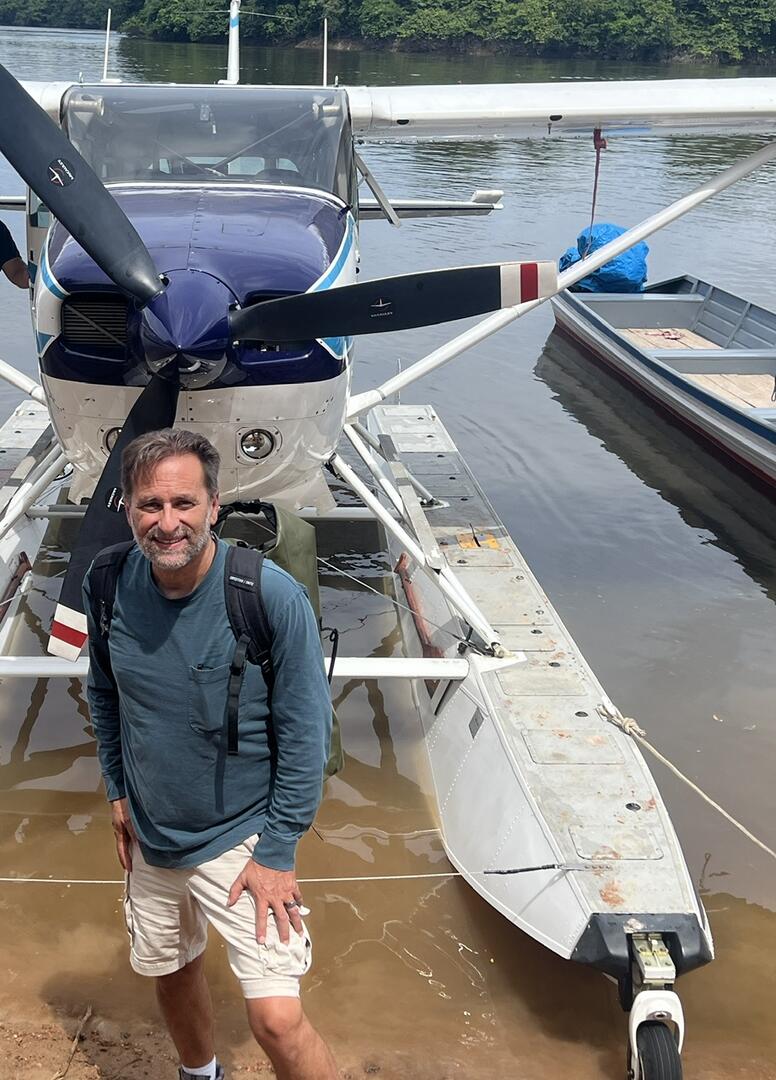
Equally unforgettable are evenings flying over Kenya’s Maasai Mara with my good friend and his Kitox. A few thousand feet above the savannah, the landscape unfolds like a living nature documentary. Wildebeest stretch across the plains in endless lines, elephants cast impossibly long shadows in the golden light, and lone acacia trees stand like carefully placed works of art.
If we’re lucky, we’ll spot lions lounging beneath the trees, looking thoroughly unimpressed by the airplane circling overhead.
Flying with someone who knows every river, every hill, and every hidden airstrip transforms those flights from sightseeing into something much more personal. After enough trips, even a place halfway around the world starts feeling a little like home.
The real reward has never been collecting hours in a logbook or adding another rating to a certificate. It’s the friendships, the impossible places, the unexpected adventures, and the privilege of seeing the world from a perspective that relatively few people ever experience.
Even today, every takeoff carries a little of the excitement I felt sitting beside Uncle Robert in that little Cessna all those years ago.
The scenery has changed.
The airplanes have changed.
I’ve certainly changed.
But the grin after lifting off is exactly the same.
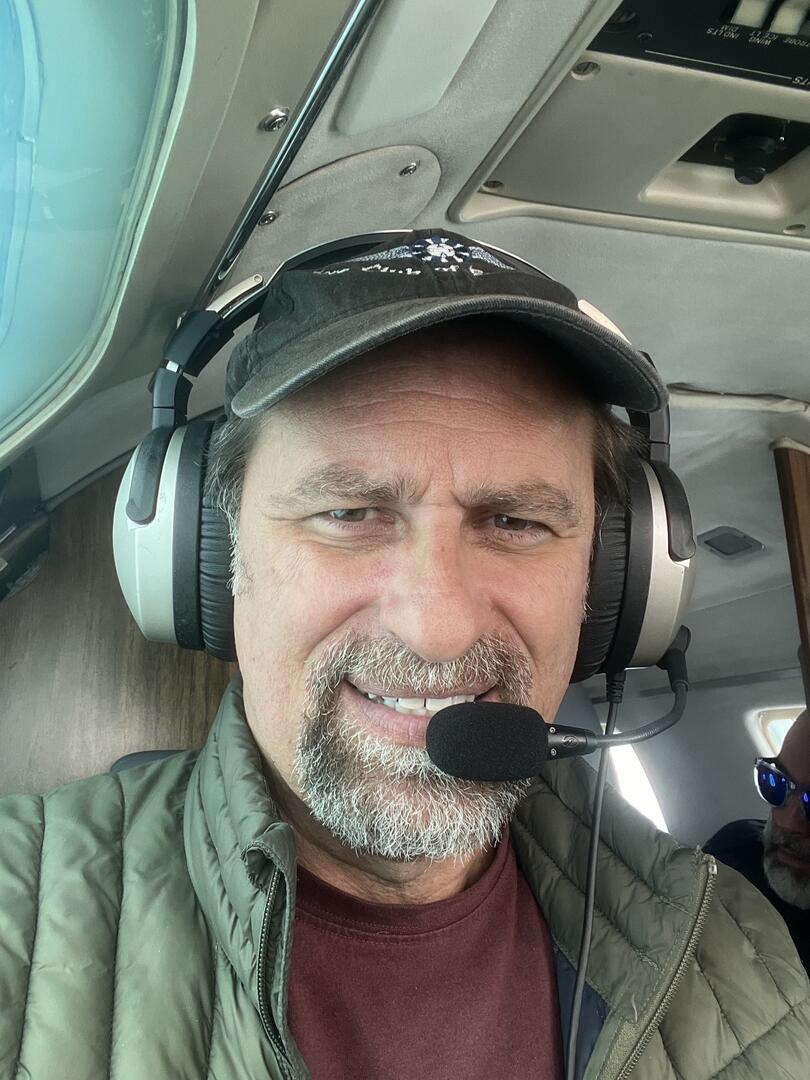
The Journey of a Lifetime: My Aviation Adventure
Copyright © 2026 by Jason Miller
All rights reserved. No part of this publication may be reproduced, distributed, or transmitted in any form or by any means, including photocopying, recording, or other electronic or mechanical methods, without the prior written permission of the publisher, except in the case of brief quotations embodied in critical reviews and certain other noncommercial uses permitted by copyright law.

