Jason Miller
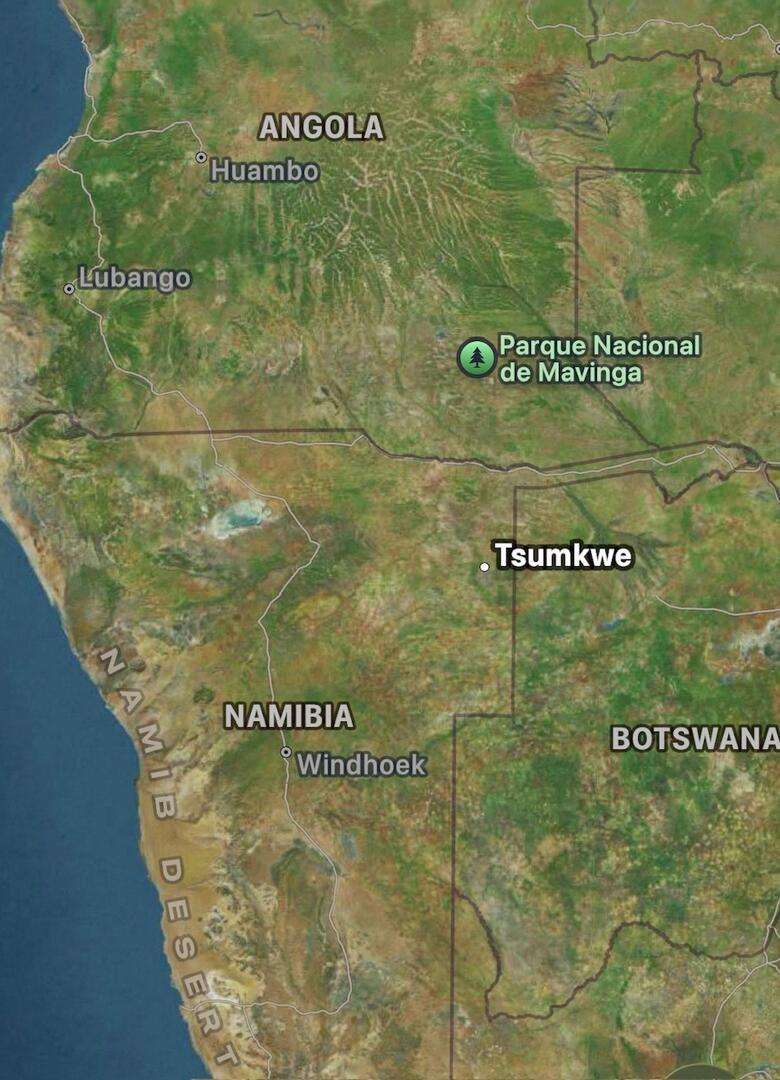
If there was ever a town that looked like it belonged in an Indiana Jones movie, it would be Tsumkwe. Tucked away in the remote eastern reaches of Namibia, just 60 kilometers from the Botswana border, Tsumkwe sits in the vast wilderness of the Otjozondjupa Region like a forgotten outpost at the edge of civilization.
Calling Tsumkwe a “town” might be a generous description. It is more of a rugged collection of shops, trading stores, bottle shops, and dusty roads that seem to disappear into the endless bush. Yet that is exactly its charm. This is not a place people stumble upon accidentally. If you make it to Tsumkwe, you’ve earned it.
The drive in is an adventure before you’ve even arrived. Coming from the south or east means battling deep sand capable of humbling both driver and machine. From the west, miles of rough gravel roads rattle every bolt loose and test your suspension’s will to live. The north? Well, I once attempted to ride my motorcycle north through Khaudum National Park toward the B8 and the Caprivi Strip. I didn’t get very far before deciding that I was either getting too old for this sort of thing or suddenly remembered an important appointment back in town. Either way, discretion won the day, and I turned around.
The town itself revolves around a single main street. Small shops cater primarily to the local San (Bushman) communities, and colorful handmade crafts can be found for sale—ostrich egg necklaces, bracelets, and beautifully beaded bags that showcase generations of artistic tradition.
One gas station serves as the unofficial department store of the region. Need fuel? No problem. A cold Coke? They’ve got it. Spare car parts, snacks, camping supplies, random items you didn’t know you needed until you were 500 kilometers from the nearest city? Chances are you’ll find them there.
Tsumkwe even has a small airstrip, and charter flights can bring visitors directly from Windhoek. Of course, unless your pilot also drops off a 4×4 with you, your exploration options will be somewhat limited. Walking long distances in elephant country is generally not recommended if you value your health and life expectancy.
Wildlife in Tsumkwe doesn’t always respect town boundaries. More than once, I’ve watched a herd of elephants casually stroll down the main street as though they owned the place. To be fair, they probably do.
The local people are friendly and welcoming, though understandably reserved with outsiders. A polite greeting goes a long way here, but this is a community that has learned to live quietly in one of Africa’s last truly wild regions.
For accommodation, my favorite spot is Tsumkwe Lodge, owned by good friends Pine and Dickie. The lodge offers comfortable bush cabins, campsites, good food, and perhaps the only place in town where you can enjoy a proper dinner and cold drink after a long day on the road.
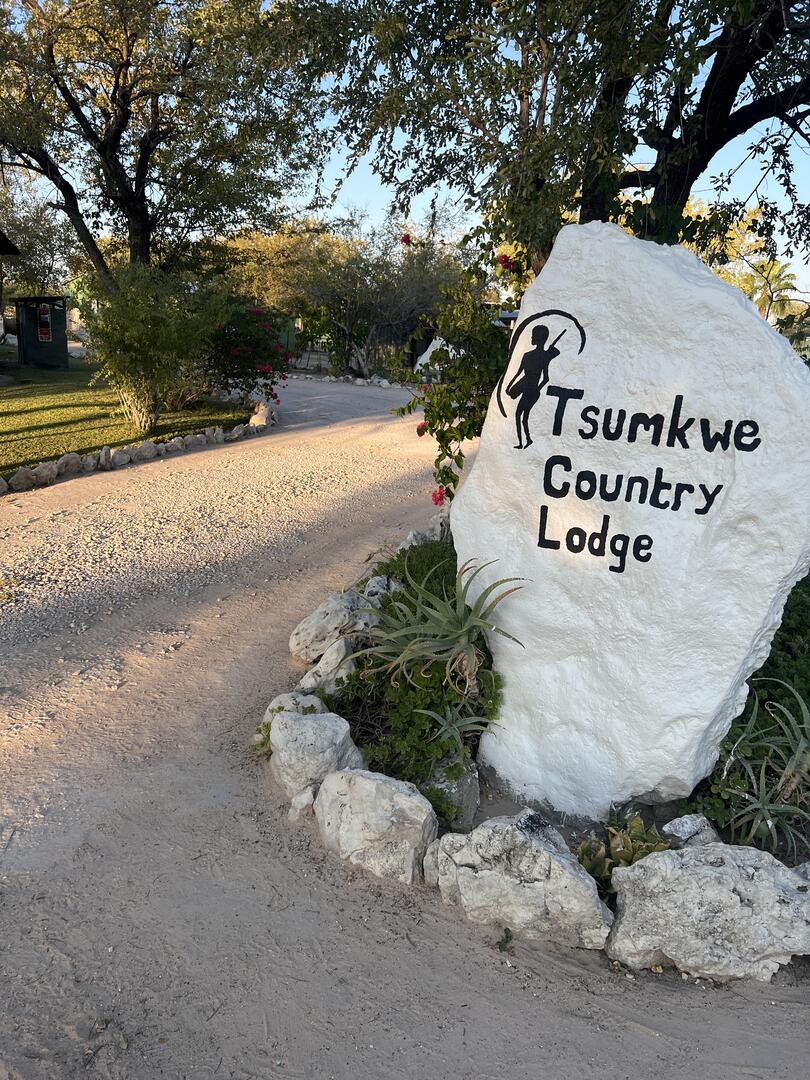
One of my favorite rituals is cooling off in the swimming pool after spending the day coated in a layer of fine Namibian dust. As the sun sets, Pine illuminates a waterhole just outside the perimeter fence. Before long, elephants often emerge from the darkness, silently appearing like ghosts to drink under the stars. Watching these giants at close range from the safety of camp never gets old.
Surrounding Tsumkwe is the vast Nyae Nyae Conservancy, thousands upon thousands of acres of some of Namibia’s wildest and most untouched land. Home to all of Africa’s Big Five, this region offers a wilderness experience every bit as impressive as many national parks—without the crowds.
After spending enough time around fellow travelers at the lodge, I usually head deeper into the bush to visit a friend’s private camp hidden within the conservancy. Finding it requires a capable 4×4, a good map, and a healthy sense of direction. The endless bush has a way of making every tree look suspiciously familiar, and getting lost is easier than most people would like to admit.
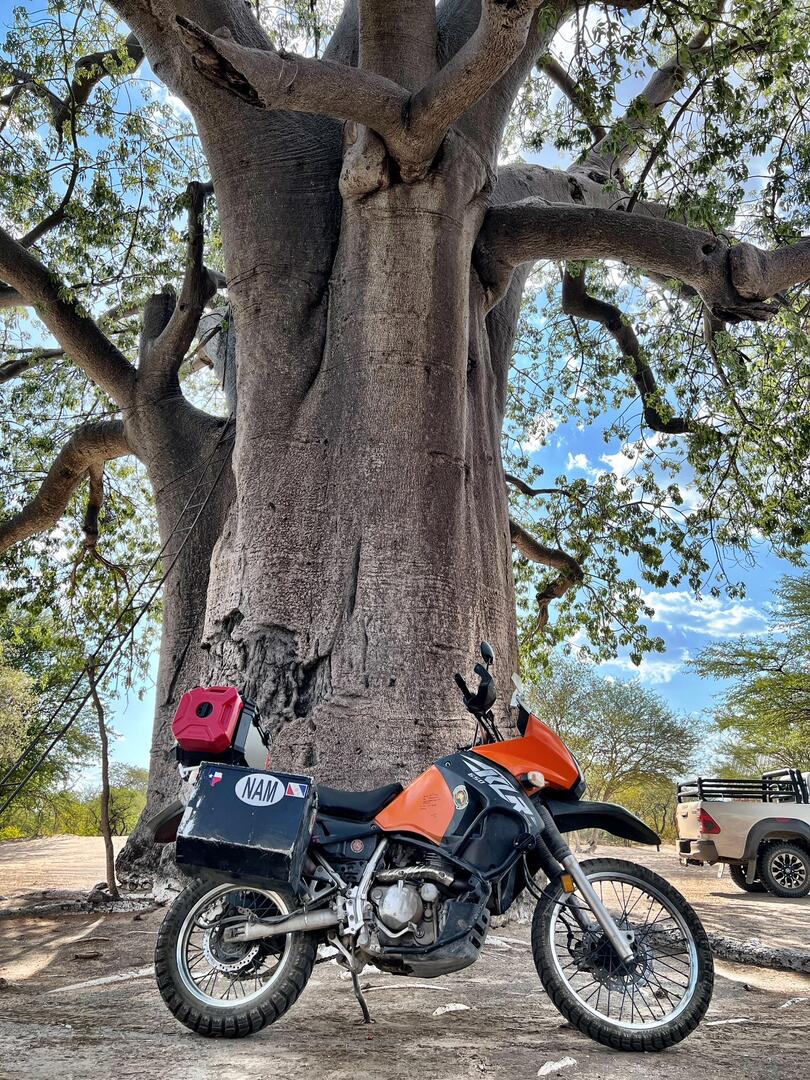
The camp itself feels like a secret oasis. Luxury tents provide all the comforts of city life without any of the reasons people complain about city life. A communal dining area sits beneath an ancient baobab tree, creating a setting worthy of a five-star safari lodge. Evenings are spent around the fire, sharing stories while the distant calls of hyenas drift through the darkness.
One particularly memorable night, another guest—a wildlife filmmaker—set up motion-triggered cameras around camp. We spent hours sitting quietly in the darkness, watching elephants move through the bush only meters away. The cameras captured stunning close-ups, but the real thrill was simply being there, listening to branches snap and feeling the ground vibrate softly beneath their feet.
Mornings at bush camp are my favorite time of day. Before sunrise, the air is cool and still. Doves and countless other birds begin their morning chorus while the smell of fresh coffee drifts from the dining area. After a hot shower and a hearty breakfast, there is a brief window of perfect weather before the African sun begins its daily assault. Within a few hours, this peaceful corner of Namibia transforms into one of the hottest places on earth.
Unlike a national park with professional guides and predictable wildlife sightings, this is true wilderness. Our game drives are conducted in our own vehicles, and we are our own guides. We pack a picnic lunch, fill the coolers, and head into the bush for a day of exploration.
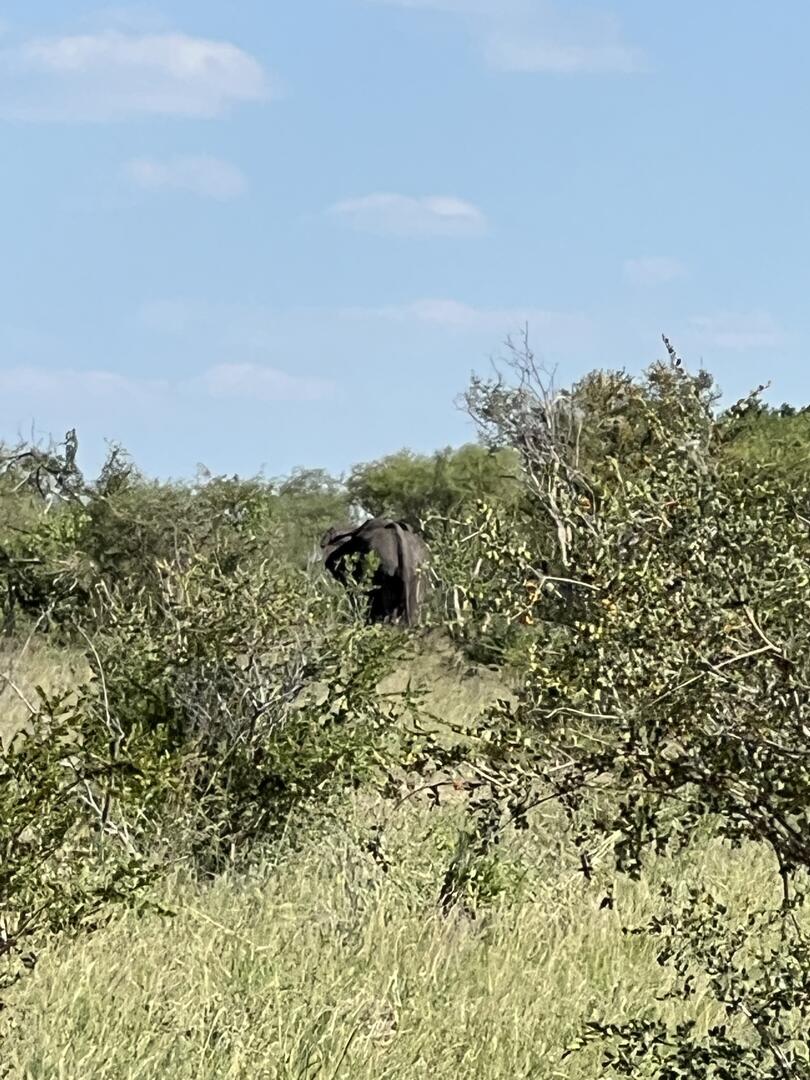
The wildlife here has not been conditioned by endless safari vehicles. The animals remain genuinely wild and often elusive. Every sighting is earned through patience, persistence, and sometimes a little luck. Hours may pass without seeing much more than tracks and distant movement, but then suddenly a herd of elephant emerges from the trees or a lion’s tracks appear in the sand, and every moment of waiting becomes worthwhile.
That is the magic of Tsumkwe and the Nyae Nyae Conservancy. It is not polished, predictable, or convenient. It is dusty, remote, challenging, and wonderfully wild. In a world where true adventure is becoming increasingly rare, Tsumkwe remains one of those special places where you still feel like an explorer every time you arrive.
.
Your guide to Tsumkwe
Copyright © 2026 by Jason Miller
All rights reserved. No part of this publication may be reproduced, distributed, or transmitted in any form or by any means, including photocopying, recording, or other electronic or mechanical methods, without the prior written permission of the publisher, except in the case of brief quotations embodied in critical reviews and certain other noncommercial uses permitted by copyright law.

